New Taliban Order in Balkh Province Sparks International Outrage as Women’s Names Are Removed from Official and Medical Documents; Rights Groups Warn of Growing Discrimination and Serious Healthcare Concerns
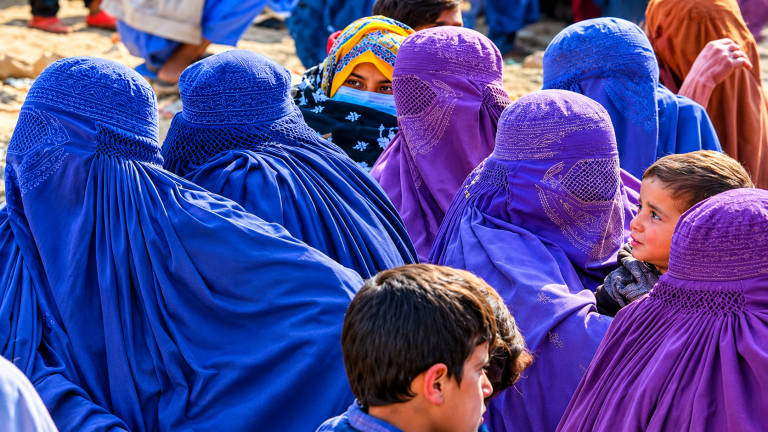
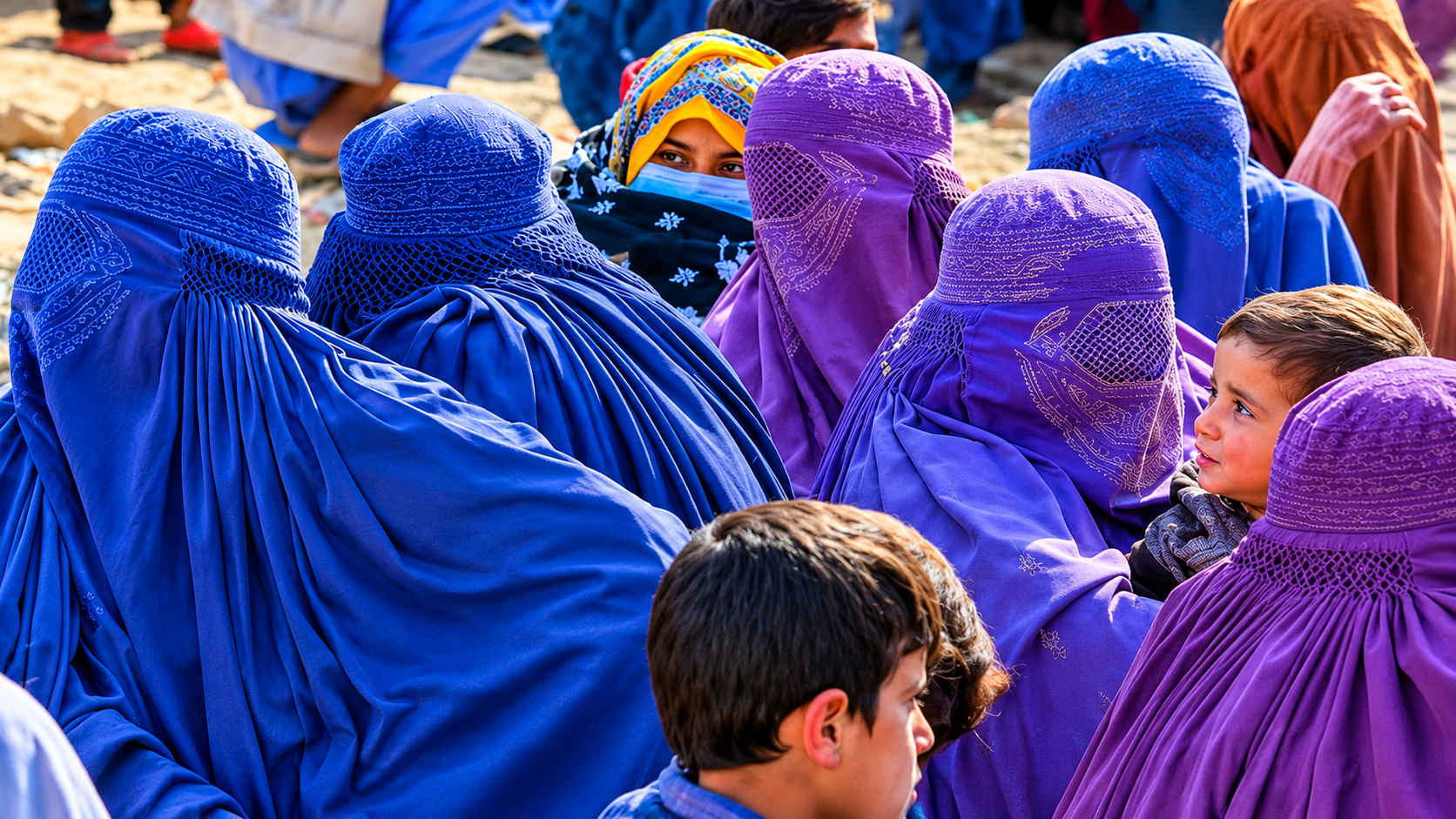
KABUL, AFGHANISTAN: Afghanistan’s Taliban authorities have introduced another controversial restriction targeting women, further raising concerns about the status of women’s rights and personal identity under the country’s current administration. According to reports, officials in the northern Balkh province have been instructed not to record women’s actual names in government documents and hospital medical records. Instead, the authorities have directed government employees and hospital staff to use the term ‘Bibi’ when referring to female citizens.
The reported order represents another significant development in the restrictions imposed on Afghan women since the Taliban returned to power in August 2021. It has also triggered criticism from international observers, social activists, and organisations advocating women’s rights.
According to reports published by The Guardian and Spain-based newspaper El País, the directive was reportedly issued around May. Under the reported instructions, women’s identities in official and medical records may be represented through the generic term ‘Bibi’ or through their relationship with a male family member.
For example, a woman may be identified as someone’s wife or daughter rather than by her actual name.
The development has raised serious questions about women’s legal identity, dignity, access to healthcare, and recognition in public institutions. Critics argue that replacing individual names with generic labels could create practical difficulties while reinforcing discrimination against women.
Taliban’s New Order in Afghanistan: Women’s Real Names to Be Replaced with ‘Bibi’
The reported directive from Taliban authorities in Balkh province has attracted widespread attention because it directly concerns the identification of women in official government and healthcare records.
Under the reported instructions, government departments and hospitals have been asked to avoid entering women’s actual names in certain records.
Instead, the word ‘Bibi’ is to be used as a replacement.
The term is commonly used as an honorific for women in parts of South Asia and Afghanistan. However, using the same generic term instead of individual names in official documents raises concerns about the ability to distinguish between different women.
The directive also reportedly permits women to be identified through their relationship with male family members.
This means that a woman’s identity may be recorded through descriptions such as someone’s wife or daughter rather than through her individual name.
Critics say that this approach undermines the recognition of women as individuals with their own identities and rights.
Official records are essential for establishing a person’s identity and accessing important public services. Therefore, any policy affecting how women are identified in these documents could have consequences beyond administrative procedures.
Hospital Medical Records May Face Serious Identification Challenges
One of the biggest concerns surrounding the reported Taliban directive relates to its possible implementation in hospitals and healthcare institutions.
Medical records contain essential information about patients, including their medical history, diagnosis, treatment details, prescriptions, and previous consultations.
Accurate identification is particularly important in hospitals because healthcare professionals must ensure that every patient receives the correct treatment.
If multiple women are recorded using the same generic name, such as ‘Bibi’, distinguishing between patients could become difficult, particularly when records do not contain sufficient additional identifying information.
Why Accurate Patient Identification Matters
Hospitals depend on reliable patient information to maintain medical records and provide appropriate treatment.
The reported directive has raised concerns about several potential administrative and healthcare challenges:
Patient Identification: Using a common name for multiple women could create confusion when identifying individual patients.
Medical History: Linking patients with their previous medical records could become more difficult if identifying information is incomplete.
Treatment Documentation: Hospitals may face additional administrative challenges when maintaining accurate patient records.
Medical Communication: Doctors and healthcare workers require reliable patient information to avoid confusion during consultations and treatment.
Healthcare Access: Difficulties in maintaining records could create additional barriers for women seeking medical assistance.
These are potential consequences rather than confirmed outcomes of the reported directive. The actual impact would depend on how hospitals implement the instructions and what additional identification information they retain.
Nevertheless, healthcare professionals require accurate and reliable patient identification systems, making the reported policy particularly concerning.
Women’s Rights Activists Raise Concerns Over Disrespectful Treatment
Apart from the reported restriction on women’s names, social activists have also raised concerns about the treatment of women by certain officials.
According to allegations cited in reports about the issue, some officials have reportedly used disrespectful terms such as ‘goat’ and ‘cow’ when referring to women.
These allegations have intensified criticism of the broader environment in which Afghan women are living.
Activists argue that the issue is not limited to administrative changes or terminology. They believe it reflects a wider pattern of restrictions that affects women’s dignity, independence, and participation in public life.
The use of disrespectful language, if established, would further highlight the challenges women face while interacting with public institutions.
For many observers, the reported naming directive raises a fundamental question: should women be recognised through their own identities, or should their identities be defined by their relationships with male family members?
Women’s rights advocates maintain that every individual deserves recognition, dignity, and equal treatment regardless of gender.
International Criticism Grows Over Taliban’s Women’s Identity Policy
The reported directive has also attracted criticism on social media and from organisations concerned about women’s rights in Afghanistan.
European Democrats criticised the reported order through a post on the social media platform X.
The organisation argued that the Taliban authorities had already introduced several restrictions affecting women’s education, employment, and freedom.
According to its criticism, the reported removal of women’s actual names from government and medical documents represents another concerning development.
Social media users have also expressed their dissatisfaction with the reported policy.
Some commentators have argued that denying women recognition through their individual names is a form of discrimination rather than a matter of religion or morality.
Others have highlighted the cumulative impact of restrictions affecting women’s education, employment opportunities, public participation, and personal identity.
The criticism reflects broader international concerns about the treatment of women and girls under Taliban administration.
Women’s Rights in Afghanistan Have Deteriorated Since August 2021
The latest controversy cannot be viewed separately from the wider restrictions imposed on Afghan women over the past several years.
The Taliban returned to power in Afghanistan in August 2021 following the collapse of the previous government.
Since then, the authorities have introduced numerous policies affecting women’s participation in education, employment, public life, and other areas.
These restrictions have significantly changed the everyday lives of millions of Afghan women and girls.
Restrictions on Girls’ Education
One of the most widely criticised policies has been the restriction on girls’ access to education.
Girls have been prevented from continuing secondary education beyond the permitted levels under Taliban policies.
Afghan women have also been excluded from university education under restrictions introduced after the Taliban takeover.
These measures have created serious concerns about the future of an entire generation of Afghan girls.
Education is essential for personal development, economic independence, and national progress.
Restrictions on education can also affect Afghanistan’s long-term development by limiting the availability of educated professionals across different sectors.
Restrictions on Women’s Employment
Employment opportunities for Afghan women have also been severely affected.
The Taliban authorities have introduced restrictions on women’s participation in several professional and public-sector activities.
These policies have created economic difficulties for women who previously supported their families through employment.
The restrictions have also affected organisations that depend on female employees to provide services to women and girls.
For many households, the loss of employment opportunities has increased financial pressure and reduced economic independence.
Restrictions on Women’s Public Participation
Afghan women have also faced restrictions concerning their participation in public spaces and everyday activities.
Rules regarding movement, clothing, and access to certain facilities have affected their ability to participate independently in society.
These measures have attracted criticism from international organisations and human rights advocates.
The latest reported directive concerning women’s names has added another dimension to the continuing debate over personal freedom and gender equality in Afghanistan.
December 2024 Medical Education Restrictions Raise Healthcare Concerns
Another major concern emerged in December 2024 when Taliban authorities moved to prohibit women from studying at medical institutions.
The restriction has created serious concerns about the future availability of female healthcare professionals in Afghanistan.
Female doctors, nurses, midwives, and other healthcare workers play an important role in providing medical services to women and girls.
In a society where cultural and social restrictions can affect whether women receive treatment from male healthcare professionals, female medical staff are particularly important.
Why Female Healthcare Professionals Are Essential
The availability of trained female medical professionals is important for several reasons:
Women’s Healthcare: Female doctors and nurses provide essential medical services to women.
Maternal Health: Qualified female healthcare workers contribute to pregnancy-related and maternal healthcare.
Rural Healthcare: Women in remote areas may depend heavily on accessible female medical professionals.
Patient Confidence: Some women may feel more comfortable discussing sensitive health concerns with female doctors.
Long-Term Medical Development: Training new generations of female healthcare professionals is important for maintaining a sustainable healthcare system.
Restricting women’s access to medical education could create long-term challenges for Afghanistan’s healthcare infrastructure.
The consequences may extend beyond individual patients and affect the country’s ability to train and retain qualified medical professionals.
Why Removing Women’s Names from Official Records Is a Serious Concern
A person’s name is an essential part of their individual identity.
Government documents, hospital records, educational certificates, and other official records use names to distinguish individuals and establish their identities.
Replacing women’s actual names with a generic term could raise concerns about their recognition within public institutions.
Possible Consequences of Generic Identification
The reported policy has raised several broader questions:
1. Individual Identity
Women may lose the recognition of their individual identities in certain official records if generic terminology replaces their actual names.
2. Administrative Difficulties
Government departments may face challenges when distinguishing between individuals with similar or identical recorded names.
3. Healthcare Documentation
Hospitals require accurate records to ensure continuity of treatment and proper patient identification.
4. Personal Dignity
Women’s rights advocates argue that denying recognition of their individual names undermines their dignity and independence.
5. Access to Public Services
Accurate identity information is important when accessing healthcare, administrative services, and other essential facilities.
The extent of these consequences will depend on the practical implementation of the reported directive.
However, the controversy has highlighted the importance of maintaining accurate, individualised, and respectful identification systems.
Taliban Policies Continue to Attract Global Attention
Afghanistan’s policies concerning women and girls remain an important subject of international discussion.
Governments, human rights organisations, humanitarian agencies, and women’s rights groups have repeatedly raised concerns about restrictions affecting education, employment, healthcare, and public participation.
The latest reported directive in Balkh province has added to these concerns.
International observers believe that women’s access to education, employment, healthcare, and personal freedom is essential for the country’s long-term stability and development.
Restrictions affecting these areas can have consequences for families, communities, and the wider Afghan economy.
The issue is also significant from a humanitarian perspective because women and girls represent a substantial part of Afghanistan’s population.
Their participation in education, healthcare, and economic activities is important for the country’s future.
Key Highlights of the Taliban Women’s Identity Controversy
Here are the major points related to the reported directive:
Country: Afghanistan.
Province: Balkh.
Ruling Authority: Taliban administration.
Reported Order: Women’s actual names are to be replaced with the term ‘Bibi’ in certain official and medical records.
Alternative Identification: Women may reportedly be identified through their relationships with male family members.
Reported Timing: The directive was reportedly issued around May.
Media Reports: The Guardian and Spain’s El País.
Major Concern: Women’s personal identity and recognition in public institutions.
Healthcare Concern: Potential difficulties in maintaining accurate medical records.
International Reaction: Criticism from organisations and social media users.
Broader Context: Continuing restrictions on women’s education, employment, and public participation since 2021.
Conclusion: New Taliban Directive Raises Serious Questions About Women’s Identity and Rights
The reported decision by Taliban authorities in Afghanistan’s Balkh province to replace women’s actual names with the term ‘Bibi’ in certain government and hospital records has triggered another wave of international criticism.
The directive, reportedly issued around May, has raised concerns about women’s individual identities, personal dignity, and access to essential public services.
The possible impact on hospitals is particularly significant because accurate patient identification is fundamental to maintaining reliable medical records and ensuring continuity of treatment.
The controversy also comes against the backdrop of wider restrictions imposed on Afghan women since the Taliban returned to power in August 2021.
From restrictions on education and employment to limitations on public participation and medical training, Afghan women have faced significant challenges in exercising their rights.
The latest reported policy has therefore become part of a much larger discussion about gender equality, individual freedom, and human dignity.
As international criticism continues, the situation of women in Afghanistan remains under close observation by human rights organisations and the global community.
The fundamental issue extends beyond the use of a particular word in official documents. It concerns whether women can be recognised as individuals with their own identities, rights, and dignity.
Editorial Note: This report is based on the information provided and the media reports referenced in the original article. The reported directive and its implementation should be understood in that context.
About The Author