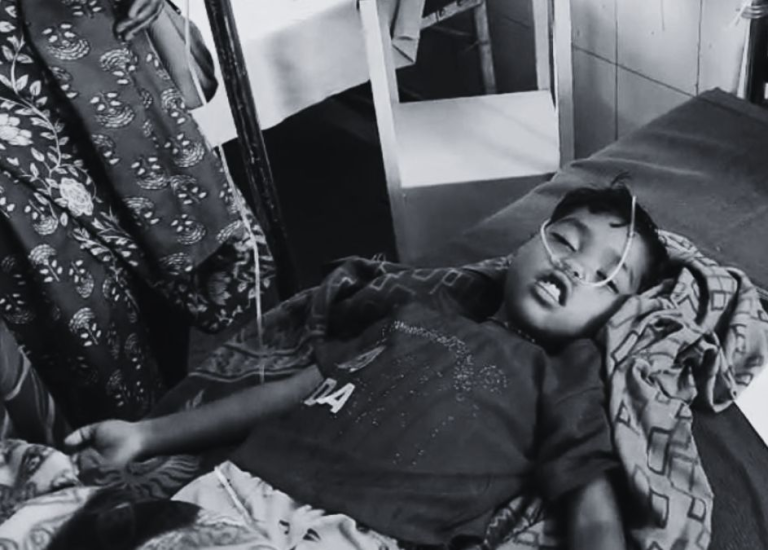
A severe medical staff shortage transforms a vital healthcare lifeline into a crucible of endless waiting lines, overcrowded wards, and overwhelming pressure on a handful of physicians.
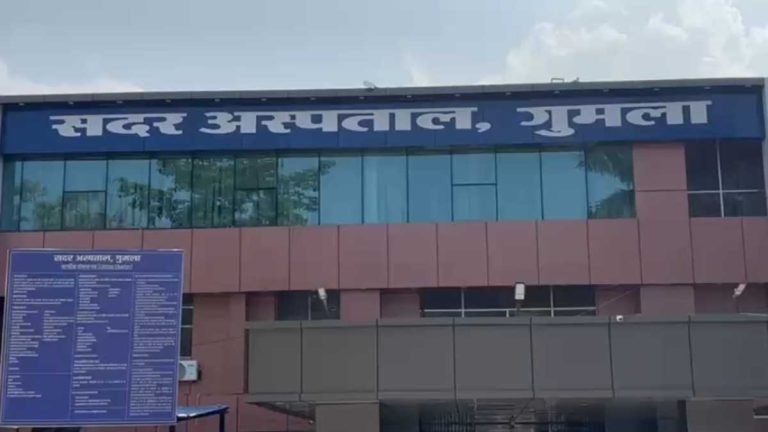
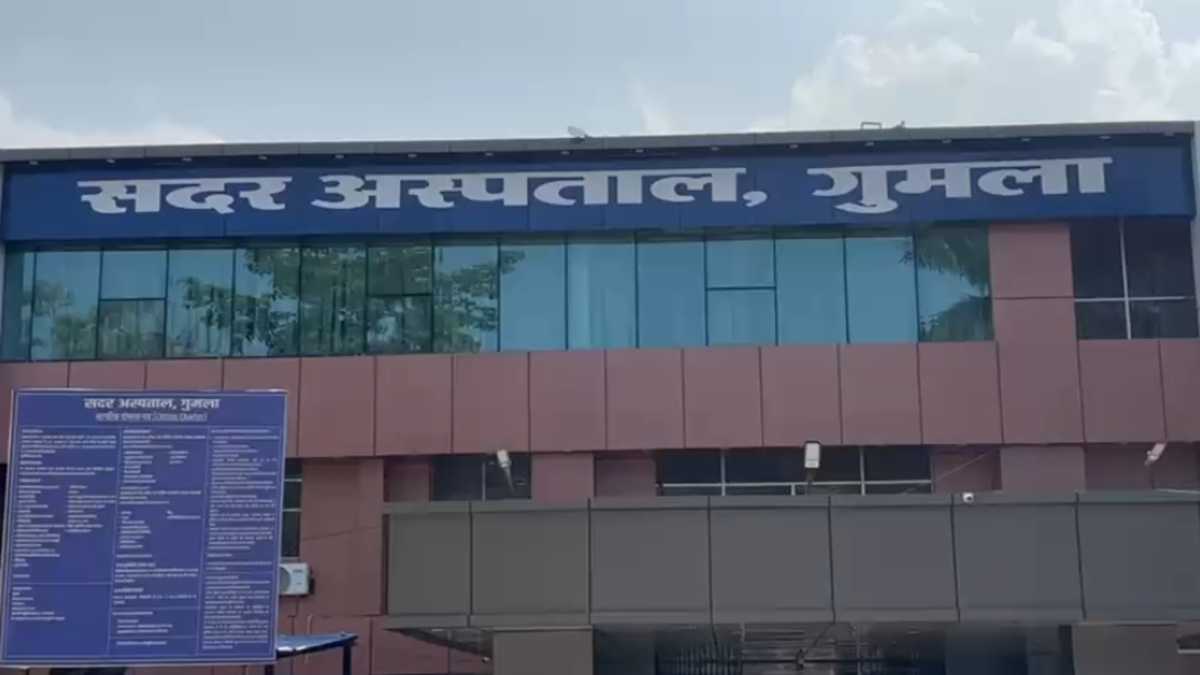
Access to quality healthcare is widely recognized as a fundamental pillar of human dignity and social equity. In an ideal world, every citizen, regardless of geography or socioeconomic background, should be able to walk into a public medical facility and receive timely, compassionate treatment. Yet, across the remote interiors of India’s tribal districts, this fundamental promise often collides with a harsh, unyielding reality defined by institutional neglect and severe resource deficits. A glaring illustration of this systemic vulnerability unfolds daily within the walls of the Gumla Sadar Hospital, the premier healthcare institution serving an entire district where a staggering population of over 1.3 million people must rely on a critically depleted medical corps.
Operating as the primary healthcare anchor for twelve distinct administrative blocks across the region, the Gumla Sadar Hospital is currently buckling under the immense weight of a severe doctor shortage. With medical vacancies piling up and patient footfall surging far beyond institutional capacities, the hospital finds itself trapped in a relentless cycle of operational strain. For the thousands of vulnerable villagers who travel for hours from remote, unpaved hamlets seeking healing, the hospital often presents a grueling test of endurance rather than a sanctuary of recovery.
A Stark Numerical Imbalance: 35 Sanctioned Posts, Just 15 Active Doctors
The depth of the crisis at Gumla Sadar Hospital becomes immediately clear upon examining the stark administrative statistics that govern its daily operations. Out of thirty-five officially sanctioned medical positions meant to power the various departments of this crucial regional facility, a staggering twenty posts currently lie vacant. Only fifteen doctors are actively on duty to shoulder the relentless demands of a massive, healthcare-dependent populace.
The hospital’s Deputy Superintendent, Dr. Anupam Kishore, openly acknowledges the crisis, pointing out that this profound staffing deficit represents the single biggest operational bottleneck facing the institution. Without the required complement of medical professionals, managing multi-specialty care, emergency trauma units, inpatient wards, and outpatient departments concurrently becomes an extraordinary logistical challenge. The few doctors currently on duty are subjected to crushing workloads and relentless schedules, forced to absorb the responsibilities of multiple missing colleagues just to keep the facility functioning.
This chronic staff shortage creates a dangerous multiplier effect across the entire medical ecosystem of the district. When specialists such as pediatricians, gynecologists, and general surgeons are absent or overburdened, critical treatment delays become inevitable. The administration is left perpetually scrambling to maintain a functional semblance of healthcare delivery, forced to stretch finite human and material resources to their absolute limits.
Overcrowded Wards and Overwhelmed Corridors: The Daily Reality
The human cost of this administrative vacuum is painted in vivid, distressing detail across the crowded corridors and packed wards of the hospital every single day. Originally designed with a standard capacity of one hundred beds to serve moderate patient influxes, the facility routinely operates at two and a half times its intended structural limit. Hospital records and local observations indicate that on any given day, more than two hundred and fifty patients are actively admitted and receiving inpatient care across the overcrowded wards.
Beyond the admitted patients, the outpatient department sees a massive daily influx, with over six hundred individuals arriving from far-flung rural corners seeking medical attention. Managing this overwhelming tidal wave of human need with a skeleton crew of fifteen physicians is an impossible task. The mismatch between patient volume and available medical manpower generates severe operational friction, turning routine medical consultations into chaotic, high-pressure races against the clock.
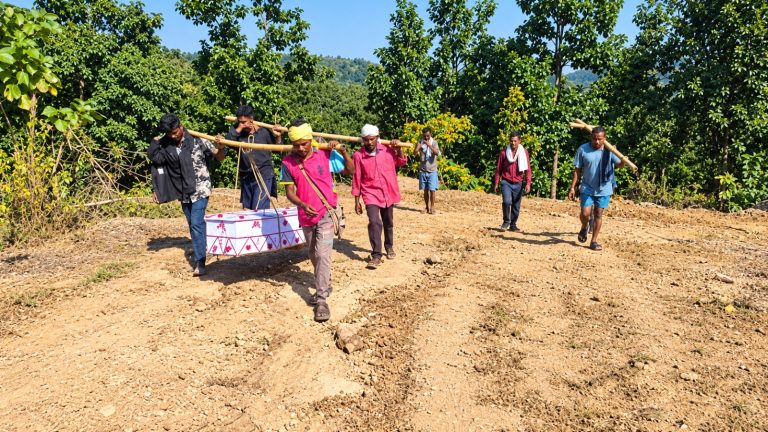
For the patients themselves, the journey to wellness begins with an exhausting endurance test. Families from distant tribal hamlets arrive at dawn after navigating unpaved roads and crossing difficult terrain, only to be met with snaking queues that stretch across the hospital lobby. Long hours of waiting in cramped corridors test the physical endurance of already sick individuals, compounding their suffering before they even step inside a doctor’s consultation room.
The Heavy Burden on the Region’s Vulnerable Population
Gumla is a predominantly tribal-dominated district characterized by widespread socioeconomic challenges and limited household incomes. For the vast majority of local residents, private healthcare options located in major urban centers are entirely financially out of reach. Paying for consultations, diagnostic tests, and treatments at private clinics represents an insurmountable economic burden that could easily push a struggling family into severe debt. Consequently, their reliance on the government-run Sadar Hospital is absolute and non-negotiable.
When this singular public healthcare pillar struggles under the weight of staff shortages, the impact on marginalized families is devastating. Villagers frequently recount harrowing experiences of standing in endless lines for hours, only to find that specific specialists—such as pediatricians or women’s health experts—are completely unavailable due to vacancies or emergency duty rotations. In some heartbreaking instances, patients who fail to secure timely consultations or adequate medical support are forced to return home disappointed and untreated, resigning themselves to worsening health outcomes.
Local community leaders and civil society members have repeatedly voiced deep frustration over this persistent state of affairs. A recurring grievance among residents is that whenever doctors are transferred out of the district or leave their posts, replacements are rarely appointed in a timely manner. This bureaucratic lag causes the active medical headcount to steadily dwindle over time, leaving rural populations increasingly vulnerable.
The Urgent Call for Systemic Reform and Appointments
As public dissatisfaction mounts and the health infrastructure in Gumla approaches a critical tipping point, the collective voice of the local populace is growing louder and more unified. Citizens, community advocates, and patient families are issuing an urgent appeal to the state health department and higher administrative authorities to intervene decisively.
The primary demand echoing across the district is clear: the state government must immediately initiate recruitment drives to fill all twenty vacant medical posts at Gumla Sadar Hospital. Furthermore, administrative planners must ensure that specialized doctors across critical medical disciplines are permanently stationed in the district to cater to complex healthcare needs.
Strengthening the healthcare infrastructure in a tribal-majority region like Gumla is not merely an administrative obligation; it is a fundamental humanitarian imperative. Injecting fresh medical manpower into Sadar Hospital would transform the local healthcare landscape—drastically cutting down waiting times, relieving the crushing burden on overworked physicians, and ensuring that impoverished families receive the timely, compassionate medical care they deserve within their own home district.
As the situation stands, the residents of Gumla continue to wait—not just in the long, exhausting queues outside the doctor’s office, but in eager anticipation of the day when administrative promises turn into tangible medical support, restoring faith in the public healthcare system.
About The Author