A 65-year-old woman’s harrowing final journey through the unpaved valleys of Gumla exposes a devastating portrait of administrative apathy and the heavy price of rural isolation.
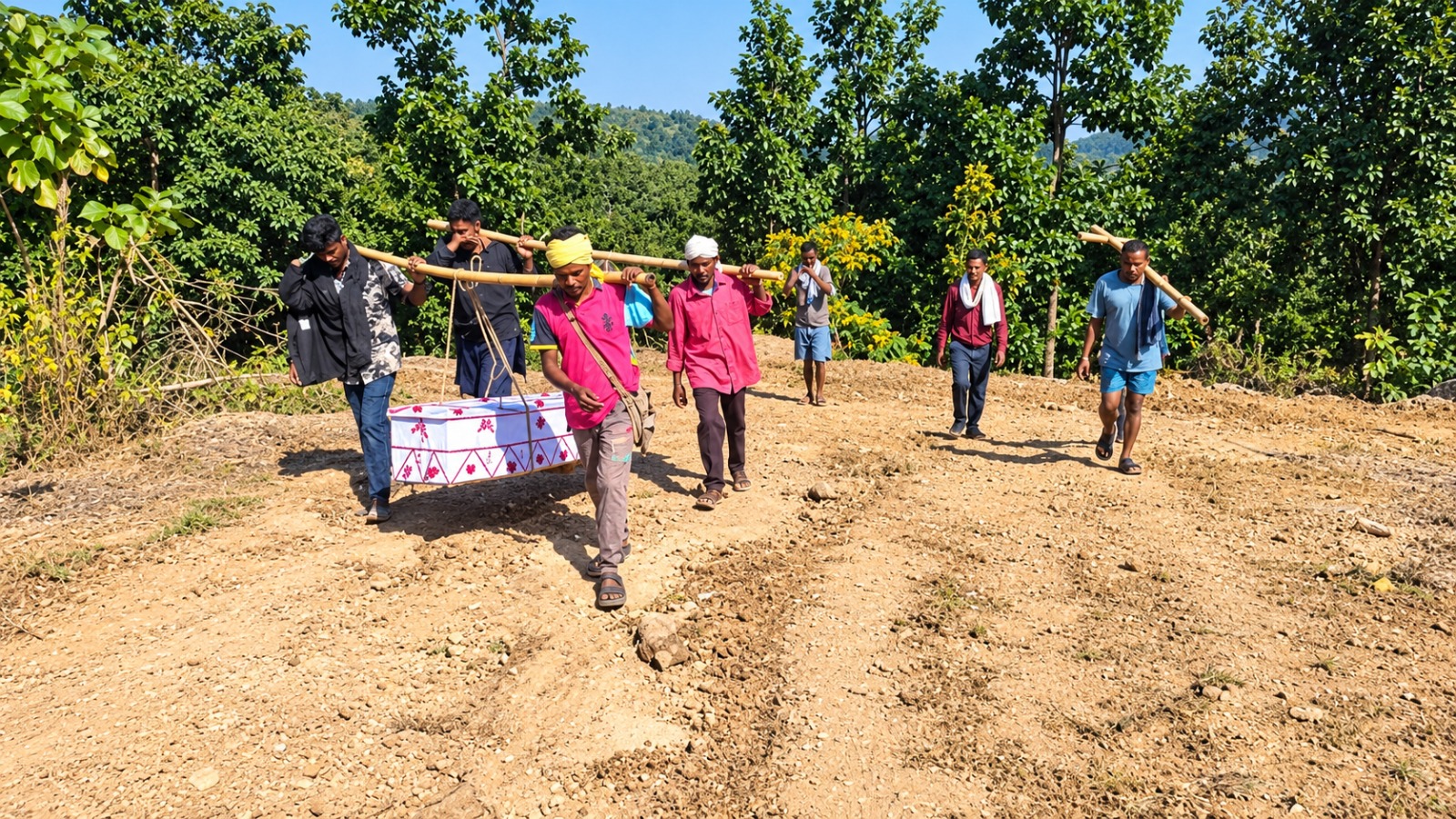
The modern era prides itself on rapid technological advancement, digital connectivity, and sprawling infrastructure networks designed to bridge distances within seconds. Yet, tucked away in the deep interiors of India’s hinterlands, another reality persists—one defined by raw geography, neglected populations, and an agonizing absence of basic civic amenities. In a powerful, heartbreaking reminder of the deep chasm that separates urban development from rural hardship, residents of Jharkhand’s Gumla district were recently pushed to endure an unthinkable trial. Following the death of an elderly woman at a district hospital, her family and grieving neighbors were forced to hoist her mortal remains onto their shoulders and trek across two grueling, roadless kilometers of rugged mountain terrain simply to bring her home for her final rites.
This profoundly distressing incident unfolded within the remote pockets of Mangru Talla and Asan Path villages, situated under the Zarda Panchayat in the Jari block of Gumla district. Far more than a mere local grievance, this event stands as a glaring indictment of systemic failure, broken political promises, and the profound vulnerability of tribal and rural communities who remain entirely cut off from the lifelines of modern civilization.
A Life Endangered by Geography: The Desperate Journey to Care
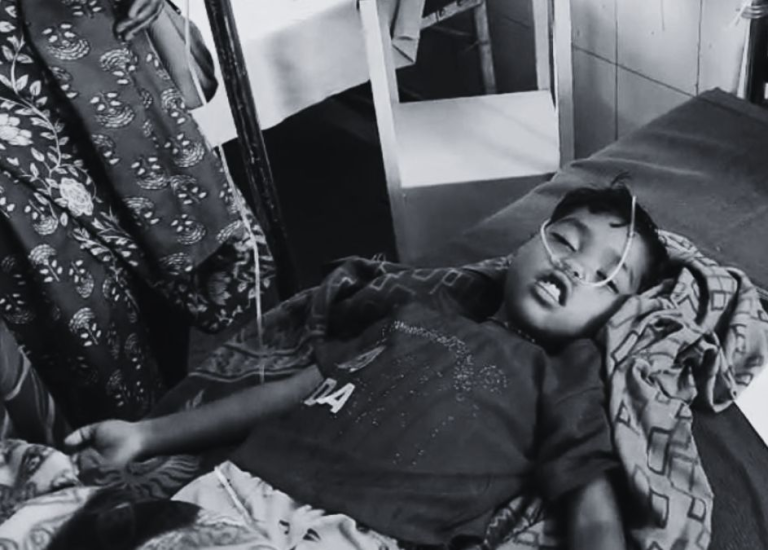
The tragic chain of events began when 65-year-old Maksima Tirkey, a resident of Asan Path, fell critically ill. In regions blessed with proper infrastructure, a medical emergency triggers a swift response involving ambulances, paved access roads, and rapid transit to medical facilities. However, in Asan Path and Mangru Talla, geography is an adversary, and every medical crisis turns into a desperate battle for survival against unforgiving terrain.
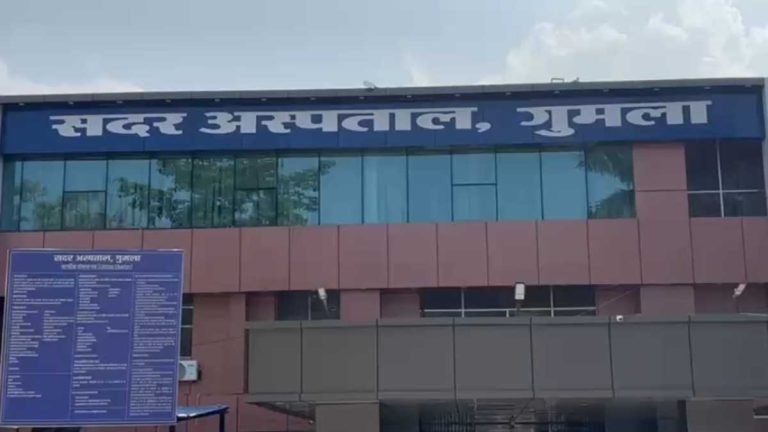
When Maksima’s health deteriorated sharply, her family and local villagers confronted a grim reality: no motorable road connects their village to the outside world, and no emergency vehicle could ever reach their doorstep. Refusing to surrender to despair, the villagers demonstrated extraordinary resilience born of sheer necessity. They improvised a traditional carrier and placed the ailing elderly woman onto their shoulders. Alternating shifts, they navigated the treacherous, rocky paths across the valley, carrying her all the way to Bandotoli. Only upon reaching this intermediate point were they able to secure a private vehicle capable of transporting her onward to the Gumla Sadar Hospital, praying that professional medical intervention would save her life.
Despite the tireless efforts of her family and the care provided by hospital staff, Maksima Tirkey ultimately succumbed to her illness. While the passing of an elder is an immense emotional blow under any circumstances, the family’s grief was instantly compounded by an unforgiving logistical nightmare. Transporting a body back to a remote, roadless village is a daunting physical task, but under these conditions, it demanded superhuman endurance under the heaviest of emotional burdens.
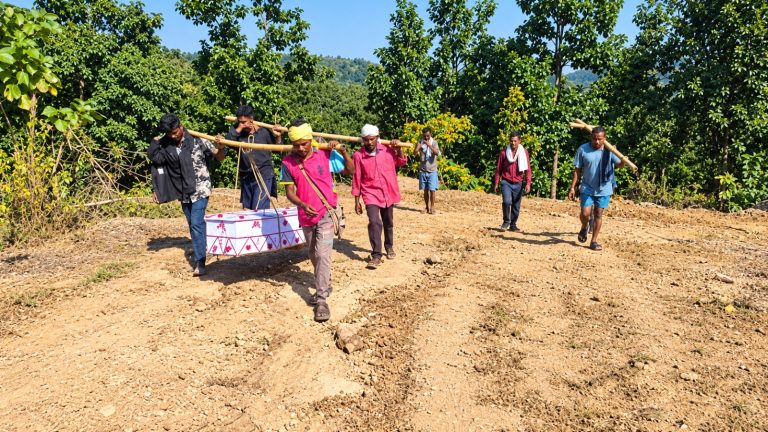
With no commercial hearse or standard vehicle willing or able to navigate the treacherous tracks leading toward Asan Path, the grieving relatives and local villagers once again assumed the ultimate responsibility. Hoisting the funeral bier onto their aching shoulders, they embarked on the grueling two-kilometer trek back across the mountain valley under the glaring sun. Photographic and eyewitness accounts of this agonizing procession sent shockwaves across the region, painting a vivid picture of a marginalized community left entirely to fend for themselves by the authorities.
Decades of Empty Assurances and Administrative Indifference
What makes this heart-wrenching episode particularly infuriating for the local population is that their plight is entirely preventable. According to distressed residents of Mangru Talla and Asan Path, the lack of a proper road is not a recent inconvenience but a multi-decade crisis that paralyzes every facet of daily existence, crippling access to education, economic mobility, and emergency healthcare.
The villagers recount a long, frustrating history of filing written petitions, organizing community appeals, and pleading with successive generations of local elected representatives, block development officers, and district administrators. Time and time again, their earnest requests for a metalled all-weather road have been met with bureaucratic stonewalling, empty political rhetoric, and fleeting promises that vanish the moment elections conclude or officials depart from the area.
Adding profound insult to ongoing injury, the residents recalled that even former Gumla Deputy Commissioner Prerna Dixit had personally visited the locality, inspected the punishing terrain, and assured the community that road construction would be prioritized and initiated without delay. Yet, despite the official weight of such high-level assurances, months and years have bled into one another, leaving ground realities utterly unchanged. The bureaucratic files may have accumulated dust in government offices, but not a single stone has been laid on the ground. The valley remains as isolated today as it was generations ago.
The Broader Human Cost of Infrastructure Deficits
The tragedy in Zarda Panchayat shines an unsparing light on the systemic challenges confronting remote tribal and rural pockets across Jharkhand and similar hinterlands nationwide. Connectivity is frequently framed in purely economic terms, measured in trade routes and commercial transit. However, on the ground, connectivity is fundamentally a matter of human rights and public safety. When a community lacks a road, it effectively lacks timely healthcare, swift emergency evacuation, educational opportunity, and integration into the broader societal framework.
In critical medical scenarios, every single minute dictates the difference between life and death. When patients must be carried manually for kilometers across valleys before even reaching a primary transport point, the window for survival narrows dangerously. Countless preventable health complications and fatalities occur annually in remote corners simply because sick and injured individuals cannot be evacuated promptly. The case of Maksima Tirkey is a glaring manifestation of this systemic failure—a stark reminder that infrastructure deficits translate directly into human suffering, eroded dignity, and tragic loss of life.
The Demand for Accountability and Systemic Reform
As details of this incident resonated across public forums and digital networks, widespread outrage mounted, generating renewed demands for immediate accountability from district authorities and state policymakers alike. Civil rights advocates, community leaders, and concerned citizens have strongly condemned the administrative inertia that allowed such medieval conditions to persist well into the twenty-first century.
The residents of Mangru Talla and Asan Path have issued a unified, impassioned plea to the current district administration and the state government. They are demanding immediate administrative intervention to sanction, fund, and rapidly construct an all-weather road connecting their neglected villages to the mainstream transportation grid. Furthermore, the community is urging higher authorities to initiate a transparent inquiry into why previous high-level assurances failed to materialize into tangible developmental outcomes.
For the family of Maksima Tirkey, no amount of late infrastructure development can restore their beloved mother and elder. Yet, ensuring that no other family in Zarda Panchayat is ever forced to carry a loved one’s mortal remains across a mountain valley on their shoulders would serve as a vital, long-overdue step toward restoring basic human dignity. The road to justice for Gumla’s forgotten villagers begins with laying the very asphalt that should have connected them to the world decades ago, finally translating empty political promises into a tangible, life-saving reality.
About The Author