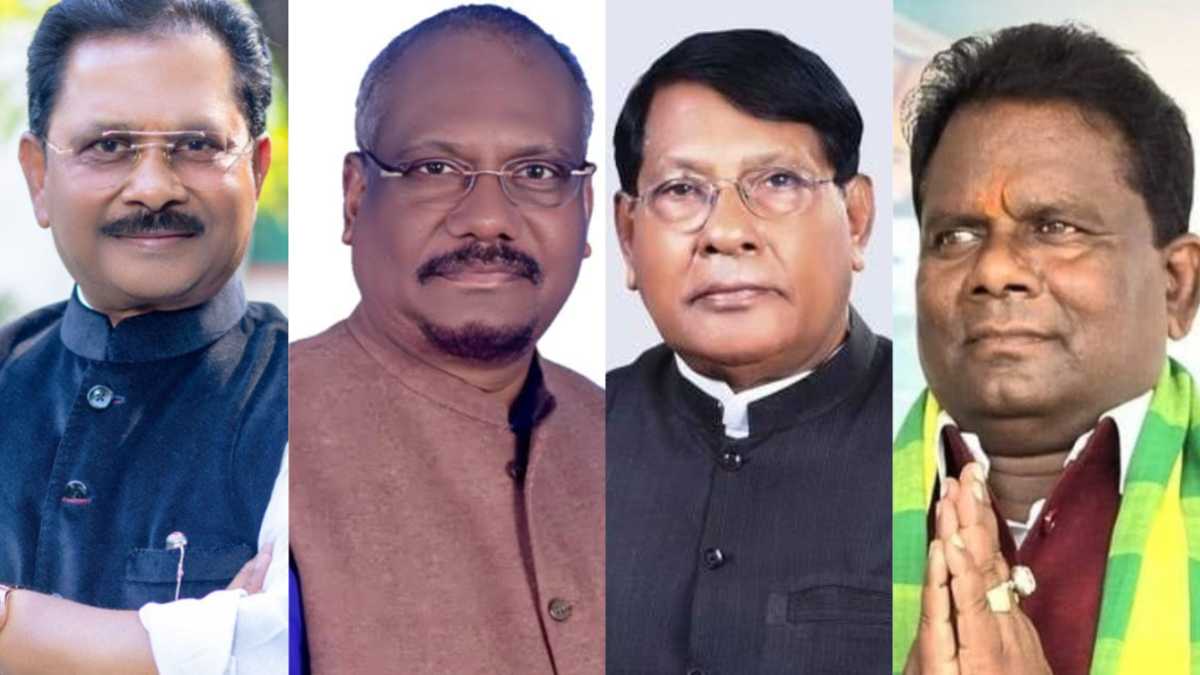
Senior party leaders spearhead an extensive mobilization drive across Lohardaga, Gumla, Latehar, and surrounding regions, rallying thousands of supporters to converge on the national capital for a high-stakes showdown over electoral integrity.
The political landscape across the mineral-rich state of Jharkhand is heating up as opposition networks prepare for a massive showdown in the national capital. With the much-anticipated Vote Bachao, Desh Bachao (Save Vote, Save Country) mega rally scheduled for November 1 at New Delhi’s historic Ramlila Maidan, political momentum has reached a fever pitch. Across remote districts and urban centers alike, the Congress party has set into motion an extensive, high-energy mobilization campaign designed to ensure a formidable display of strength and solidarity from the heart of tribal India.
The political directive is clear and urgent: thousands of party workers, grassroots activists, and citizens concerned about the sanctity of democratic institutions are packing their bags to march toward Delhi. From the rugged terrains of Lohardaga, Gumla, and Latehar to the administrative pockets of Panki, Manika, and Chatra, local party machinery is working overtime. Senior leaders, sitting legislators, and influential figures have taken direct command of the ground operations, transforming regional coordination into a massive logistical movement aimed at filling trains and buses heading north.
High-Profile Leadership Takes the Wheel Across Jharkhand
The intensity of the current mobilization is driven by the direct involvement of Jharkhand’s heavy-weight political figures. Rather than leaving the coordination entirely to local functionaries, senior leaders have stepped directly into the field, establishing continuous communication channels with grassroots workers, booth-level delegates, and community influencers.
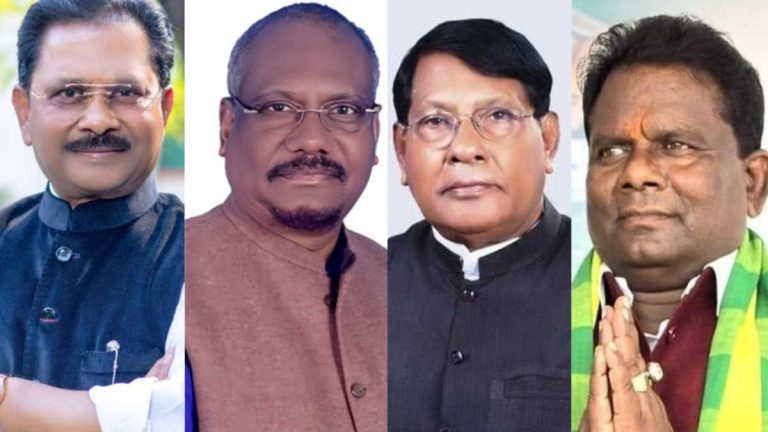
Prominent figures spearheading the campaign include senior leader and Lohardaga MLA Rameshwar Oraon, Manika MLA Ramchandra Singh, former Union minister and MP Pradip Balmuchu, and former Rajya Sabha member Dheeraj Prasad Sahu. This coalition of seasoned politicians has fanned out across multiple districts to oversee planning sessions, address worker conventions, and iron out the complex transit logistics required to move massive contingents of people thousands of kilometers away to the national capital.
By maintaining constant contact with party cadres across Lohardaga, Gumla, Latehar, Panki, Manika, and Chatra, these leaders are ensuring that every block and panchayat is adequately represented. Their concerted efforts are designed not only to guarantee high physical attendance at Ramlila Maidan but also to galvanize local enthusiasm around the core ideological messages of the upcoming national protest.
Amplifying the Core Message: Protecting Voter Rights and Democracy
At the heart of the November 1 mobilization lies a fierce national debate concerning electoral transparency, constitutional integrity, and the fundamental rights of voters. The Congress party’s nationwide campaign centers heavily on allegations of systemic irregularities in electoral rolls, concerns regarding the disenfranchisement of eligible citizens, and the broader imperative to safeguard the foundational pillars of Indian democracy against perceived administrative threats.
Addressing gatherings of charged supporters ahead of the departure, former MP Pradip Balmuchu emphasized that party cadres from Jharkhand are stepping up to answer a critical national call. He noted that the delegation from the state is carrying the voice of marginalized citizens, rural laborers, and ordinary voters who view the protection of their democratic franchise as an existential battle. According to Balmuchu, the party’s rank and file are fully united, energized, and ready to make their presence felt on a national platform.
Echoing similar sentiments, Lohardaga MLA Rameshwar Oraon stressed that the vitality of any republic depends entirely on the inviolability of the ballot. He stated that the fundamental right of every citizen to choose their representatives must remain untainted by administrative manipulation or procedural shortcuts. Oraon urged all party workers to drop local pre-occupations, stay tightly organized, and carry the message of democratic resilience directly to the heart of the national capital.
Grassroots Coordination and Mobilization Mechanics
Organizing a cross-country journey for thousands of political workers from diverse and semi-urban terrains requires meticulous planning. In districts like Gumla and Latehar, where geographical isolation and rough terrain often complicate logistics, local committees have been working round the clock to finalize travel itineraries, secure rail and road bookings, and coordinate food and accommodation arrangements for the multi-day trip.
Manika MLA Ramchandra Singh pointed out that the enthusiasm witnessed among rural cadres is unprecedented. Despite the logistical hurdles inherent in coordinating travel from remote forested tracts, party workers have shown remarkable dedication. Singh credited this enthusiasm to the deep-seated awareness among rural citizens regarding the value of their votes, noting that the collective strength of Jharkhand’s hinterlands will be visibly represented at Ramlila Maidan.
Adding his voice to the mobilization drive, former Rajya Sabha member Dheeraj Prasad Sahu reminded workers that in a true democracy, the ordinary citizen’s vote remains the ultimate instrument of empowerment. Sahu highlighted that ensuring every voter remains conscious of their constitutional rights—and actively guards against any dilution of those rights—is a continuous civic duty. He called upon all participants to travel safely, maintain exemplary discipline, and register a powerful protest in Delhi on behalf of the people of Jharkhand.
All Eyes Turn Toward Delhi
As the departure dates arrive, the atmosphere across the participating districts is charged with anticipation. Convoy arrangements are being finalized, banners and placards bearing slogans of democratic protection are being prepared, and local leaders are holding final briefing sessions with departing units.
For months, opposition parties have utilized public meetings, district-level conventions, and digital campaigns to build momentum for this showdown. Now, with the campaign entering its final, decisive phase, the focus shifts entirely from local preparation to national execution.
Political analysts and observers across the country are keeping a close watch on the unfolding events, noting that the turnout from tribal-dominated and rural heartlands like Jharkhand will serve as a crucial barometer of grassroots organizational strength. As trains laden with enthusiastic workers steam out of local railway stations and highway buses rev their engines for the long northern transit, all eyes are locked on New Delhi. On November 1, when thousands of voices from Jharkhand converge under the banner of the Vote Bachao, Desh Bachao movement at Ramlila Maidan, they will carry with them not just party flags, but the hopes, anxieties, and democratic aspirations of millions waiting back home.
About The Author